Approval-Triggered PHSP Billing Models and Employer Liability Exposure in Canada
Employers must ensure PHSP claim approvals meet CRA rules to avoid audit exposure.
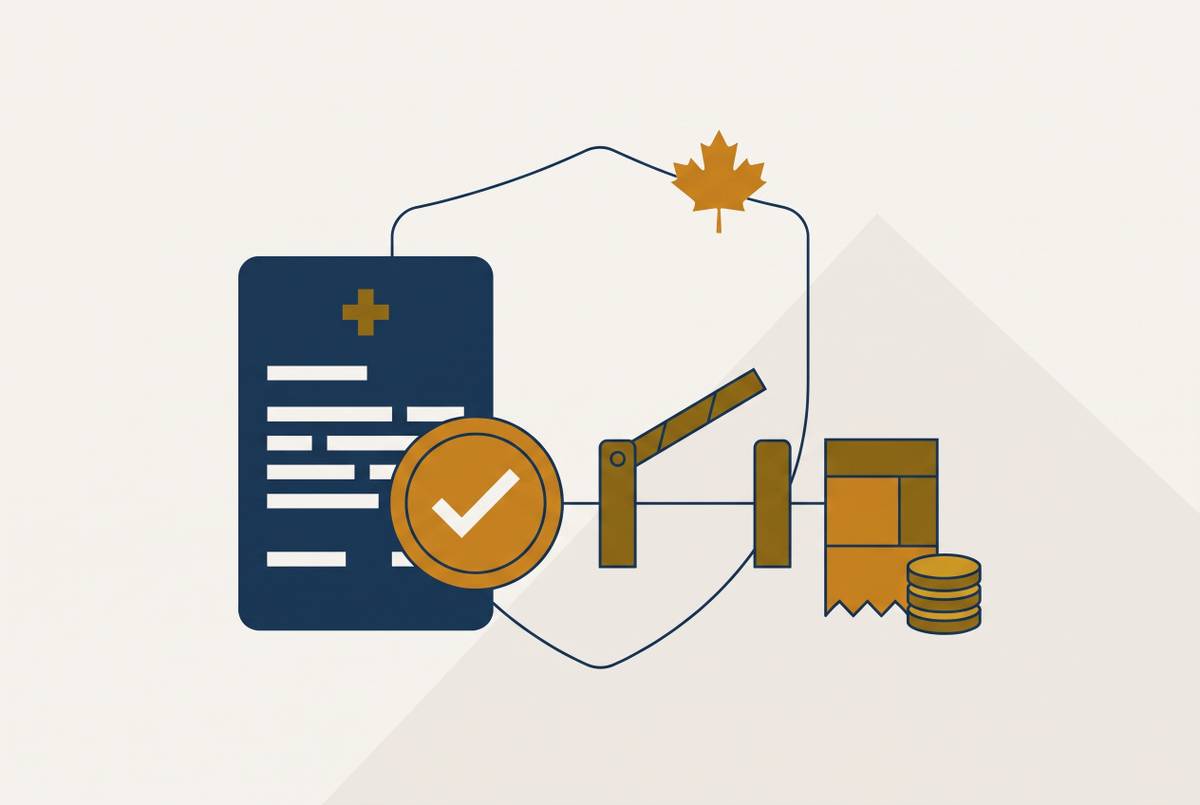
A pay-as-you-go HSA can provide health and dental benefits for an incorporated business, but its tax treatment depends on qualifying as a private health services plan, or PHSP. In an approval-triggered model, the employer pays for approved reimbursements and administration fees. Claim approval triggers a bill, but it gives the intended tax result only if eligibility, plan terms and claim review meet CRA requirements.
What a PHSP is and how the approval-triggered billing cycle works
The employer’s bill is triggered when a claim clears adjudication. Adjudication means checking the claim to see if it meets the plan’s terms and eligible medical expense rules. Approval releases the reimbursement and leads to an employer invoice. A budget alone does not create that charge.
The Income Tax Act, s. 248(1), defines a PHSP as a contract of insurance for hospital or medical expenses, or a medical care or hospital care insurance plan. HSA and HCSA are product names. The legal structure controls the tax treatment. Calling an account a health spending account does not establish that it qualifies.
The cycle starts with the employer documenting a limit for each employee or employee class. An employee pays a medical expense, keeps the receipt and submits a claim through the administrator’s process. The administrator then checks whether the expense meets the plan terms and CRA eligibility rules. If approved, the employee receives reimbursement. The employer is then billed for that reimbursement plus the administration fee.
This is how the approval-triggered, self-insured model works, though other kinds of PHSP work differently. An insured PHSP’s backing by an insurance contract changes how its qualification is measured compared with a self-insured PHSP. CRA applies its medical-expense threshold to premiums for an insured plan and to benefits actually paid during the calendar year for a self-insured plan.
Why the billing trigger produces a clean tax result when the plan qualifies
CRA’s payroll guidance generally treats direct employer payment or reimbursement of an employee’s medical expenses as a taxable benefit. Payments made under a qualifying PHSP receive different treatment and are generally non-taxable to the employee.
For a qualifying plan, the employer can generally deduct the approved reimbursement and reasonable administration fees as a business expense. On the payroll side, qualifying reimbursements are exempt from CPP contributions, EI premiums and income tax withholding.
Revenu Québec treats employer-paid PHSP coverage as a taxable benefit for provincial purposes, even when it is not taxable federally. Quebec employers therefore have an RL-1 reporting obligation that employers elsewhere do not. A qualifying plan must still be administered with that distinction in view.
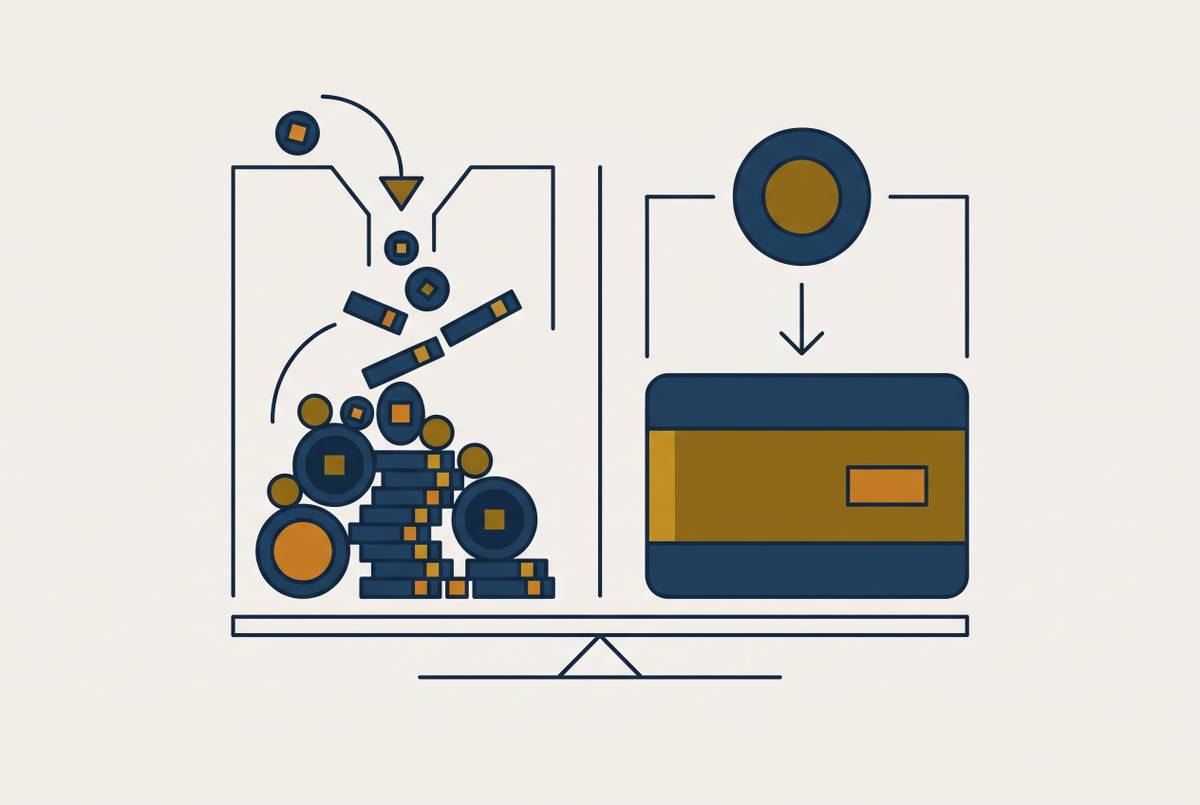
The payment model also changes what the employer spends. Because the employer is billed only for claims actually paid, employee allowances that go unused do not lead to the losses on unused premiums that come with fixed-premium group insurance. That makes the arrangement genuinely pay-as-you-go. The clean tax result, however, depends on several CRA tests, and failure of any one can undermine it.
The CRA tests a PHSP must pass continuously, not just at setup
CRA tests actual plan operations on a calendar-year basis against an “all or substantially all” threshold that is generally 90% or more. For a self-insured plan, that proportion of benefits actually paid to all employees must be for expenses eligible for the medical expense tax credit. Unpaid allowances do not enter the calculation.
For an insured plan, the threshold instead applies to premiums paid. This can produce a different result even where the mix of claims looks similar. An insured plan can pay a higher proportion of ineligible benefits and still qualify if its premium split meets the test. A self-insured plan has no such separation.
Eligible categories can include dental care, prescriptions, vision care, physiotherapy, chiropractic, massage therapy, mental health services, fertility treatment and medical devices. Claims in each category must meet CRA rules and plan terms and have the required supporting records. A category name is not automatic permission. Gym memberships, purely cosmetic procedures without a medical purpose, over-the-counter drugs without a prescription and general wellness purchases can jeopardize qualification if enough are approved and paid.
The plan must also be in the nature of insurance, with a genuine prior commitment to cover future uncertain medical expenses. An employer cannot treat expenses it already knows about as though it had been bound to pay them beforehand. The commitment must precede the expense it covers. Written terms must identify the employer, eligible employees or classes, covered dependants, annual limits and claim rules, and those terms must be applied consistently.
CRA does not pre-approve PHSPs, and a provider’s willingness to offer a plan does not validate it. No administrator can guarantee tax treatment or protection from an audit. This leaves two distinct questions open throughout the year. The plan must have a valid structure, and its actual claim payments must remain within the rules.
How adjudication quality determines whether approved claims survive CRA scrutiny
Each approved claim goes into the self-insured plan’s record of payments for the year. An ineligible reimbursement is therefore more than an isolated processing error. It enters the calculation used to judge qualification. Repeated errors can push the eligible share below the required threshold, even when the written plan correctly excludes every expense that should have been rejected.
This is where billing and compliance meet directly. Approval authorizes reimbursement, creates the basis for the employer’s invoice and adds a payment to the annual compliance total. Every approved claim is a financial event and a compliance event. An invoice proves that the employer was charged, but the record of the review is needed to show why the charge qualified for PHSP treatment.
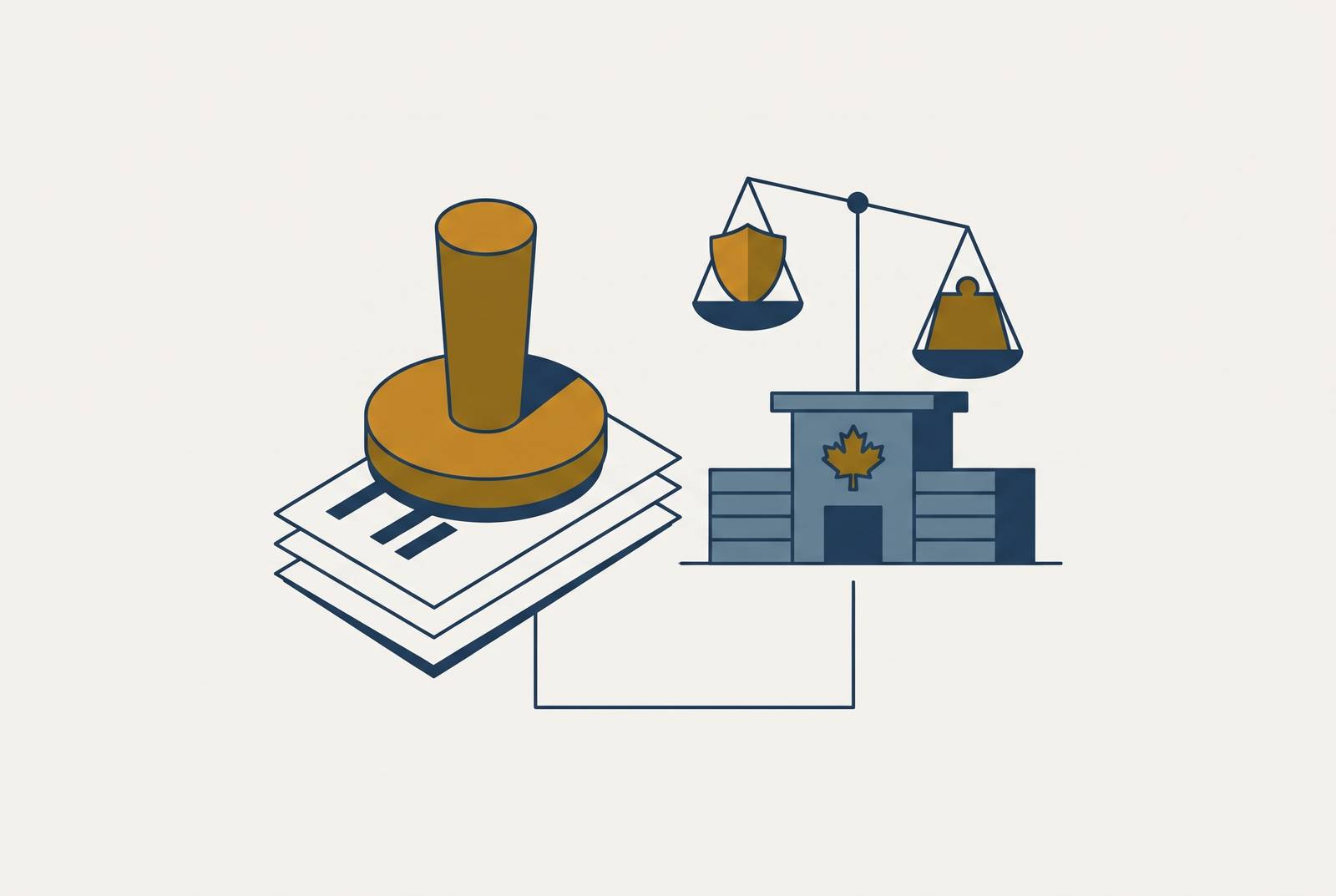
CRA expects claim decisions to be made independently of the employer’s direct involvement in selecting or approving individual expenses. If the employer controls the review and no one outside the business oversees it, the plan risks looking like a non-insurance expense account. Third-party administration is optional under the Act and common because independent adjudication helps show that the plan follows rules.
A sound record links the claim that was submitted to its supporting documents, the adjudication decision and the employer invoice. That chain provides evidence of how the plan operated. It cannot rescue an ineligible participant or an invalid plan, but it can show that payments followed documented obligations. Conversely, generous approval of cosmetic, wellness or non-prescription purchases can defeat otherwise careful drafting because CRA measures what was paid.
Where employer liability actually concentrates — the shareholder-employee and sole proprietor fault lines
The largest exposure can arise before the first claim reaches an administrator. For an incorporated consultant or other owner-manager, the key question is whether benefits are received as an employee or as a shareholder. Share ownership alone is not enough. CRA can revisit that distinction at audit even where the medical expense itself was eligible and properly documented.
T4 employment income is the clearest evidence of an employment relationship, while dividend-only compensation leaves ambiguity. CRA’s concession is that reasonable benefits provided to a shareholder actively engaged as an employee would be viewed as arising from employment. The taxpayer must demonstrate that position. There is no clear published answer in the supplied guidance that settles every dividend-only arrangement, so treating one as automatically eligible would be unsafe.
If CRA reclassifies the payment as a shareholder benefit under s. 15(1), the shareholder must include it in income and the corporation is denied a deduction, creating a double-taxation consequence for the same payment. The administrator may have been right about whether the expense qualified while the employer was wrong about whether the recipient was eligible.
CRA’s published warning takes a categorical position on a sole proprietorship with no arm’s-length employees. It does not consider an HSA for that business to be a PHSP, and costs paid to the account are not deductible business expenses. Better paperwork does not overcome this exclusion. A sole proprietor employing at least one arm’s-length employee has a narrower route to a valid PHSP, provided the other requirements are met.
That route also has different deduction rules. Section 20.01 imposes annual caps based on amounts per adult and per child, while corporate PHSP deductions have no statutory dollar cap. Corporate benefits still face a reasonableness standard. Even if the business structure is right and the recipient is eligible, the employer must keep records to back up each billing cycle.
The documentation and record-keeping obligations that run throughout the billing cycle
Before the first claim, the written plan needs to establish who is covered, what limits apply and how claims will be handled. Different employee classes may have different limits, but the classes must be clearly defined. Those differences need a written basis. Arbitrary or retroactive limits weaken the evidence that the employer made a prior insurance-like commitment rather than choosing which personal expenses to pay afterward.
At submission, the claim needs receipts and any supporting records required for that expense. These may include prescriptions or practitioner certifications, depending on the expense type, province and plan terms. A receipt may not be enough by itself. The records must be retained so that the basis for eligibility remains available after reimbursement and billing.
Across the calendar year, the employer also needs a record of benefits actually paid to all employees. That allows the annual eligible-expense threshold to be demonstrated at year-end. This is an aggregate test.
Owner-managers need evidence supporting the employment basis and reasonableness of their benefits as well. No T4 salary, poorly documented self-administration, disproportionate benefits and ineligible reimbursements can all draw scrutiny. With no statutory corporate deduction cap, the benefit level must still be defensible relative to the employee’s role and salary.
The practical obligation is to preserve a connected record as the cycle runs. Plan terms should be in place before claims are made, supporting documents should be on hand for review, and approved payments should go into the annual record. If links in the record are missing, even valid payments can be challenged. Maintaining them during administration avoids relying on a later reconstruction of why each invoice was issued.
How do you set up an HSA and choose an administrator to reduce liability gaps?
Start with the employer structure and participant eligibility. For an incorporated owner-manager, T4 employment income provides clearer support than an unresolved dividend-only arrangement. The written plan should then establish eligible classes, dependants, limits and claim procedures before the first claim. Later paperwork cannot substitute for the obligation that should have governed the payment.
The choice of administrator should turn on whether it offers independent adjudication, keeps a record of decisions and clearly links approved claims to invoices. Digital submission and tracking help keep that record when they show when claims were submitted, what was decided in review and which payments followed. Annual reporting should support the calendar-year test. EFT reimbursement adds payment convenience, but it is not evidence on its own that an expense or participant qualifies.
The plan should clearly rule out ineligible expense categories, and those who run it should track the eligible-versus-ineligible payment ratio throughout the year. Written exclusions and ongoing review serve different purposes. One defines what may be paid, and the other checks what was paid. Checking before year-end gives time to address errors before the annual test is measured.
To say which provider has the lowest total cost for a business expecting annual claims would take pricing that can be compared across providers, which is not supplied here. A defensible comparison must consider the approved reimbursements and administration fees together with adjudication and reporting quality. Price alone cannot establish tax reliability. Nor can a low fee compensate for unsupported owner eligibility or missing claim records.
Each employer invoice links to an approved claim, the evidence that supports it and the plan terms under which reimbursement was approved. The record is created as the obligation arises. Every approved claim that generates a bill is then also a documented act of plan compliance, rather than an expense the employer must later explain.